28 Apr, 2026
Protecting Yourself and Your Family from Flu this Winter

The winter months are almost here again. Protect yourself and your whānau. The flu can cause serious health problems, especially for some people. This resource explains what the flu is. It also shows who should get the flu immunisation. You will learn how to stay safe and where to get your immunisation. Getting the flu immunisation each year is the best way to protect yourself. It helps reduce the spread of flu. It also protects vulnerable people in our community. Health New Zealand recommends the flu immunisation each year for everyone aged 6 months and over. It provides strong protection against flu. Flu strains change every year, so you need to get the immunisation annually.

Is it free?
People at higher risk can get the flu immunisation free. These groups include:
- People aged 65 and older
- People with long-term health conditions like diabetes, asthma, or heart disease (ages 6 months+)
- Pregnant women of any age
- Children aged 4 years and under who have been in hospital for a respiratory illness or have a history of significant respiratory illness
- People with mental health conditions, including schizophrenia, major depressive disorder, bipolar disorder, or schizoaffective disorder
- People in mental health or addiction services
Ask your healthcare provider if you qualify for free flu immunisation. You can also call the Vaccination Helpline on 0800 28 29 26 to ask questions.
Is the flu immunisation safe?
People have used the flu immunisation for many years, and it continues to be very safe. Like all immunisations, it may cause mild side effects. You might feel soreness or redness where you receive the injection. Some people experience tiredness, headaches, muscle aches, chills, or a fever. These reactions are short, mild, and manageable. The immuniser will advise you on how to handle them. Serious reactions are very rare. The immunisation does not contain live flu viruses, so it cannot give you the flu. Sometimes, reactions occur as part of your immune response. It is normal if some people do not experience any reactions. It takes about two weeks after vaccination for protection to develop.
Your immuniser may ask you to wait for a short time after your immunisation (usually around 15 minutes). If you have allergies, you may need to wait longer.

Where can I get a flu immunisation?
You can receive the flu immunisation starting 1 April. It is available at pharmacies, GPs, Māori and Pacific health providers, some midwives, and community vaccinators. Getting the immunisation each year offers the best protection. You can safely get it alongside other vaccines like COVID-19 and whooping cough (pertussis).
Book your immunisation by visiting bookmyvaccine.health.nz or calling the Vaccination Helpline at 0800 28 29 26.
This helpline operates on weekdays from 8:30 am to 5:00 pm.
They can help you schedule an appointment or answer any questions.
Calls are free, and interpreters are available.
How to book an immunisation online
Most immunisations can be booked online or over the phone. You can also contact your doctor, nurse, pharmacy or healthcare provider to book a vaccination appointment. To find out more head over to Health New Zealand's website. This page is available in Te reo Māori, Samoan, Tongan & English.
More about the flu
The flu, or influenza, is a common virus that affects anyone.
For some, it remains mild. For others, it causes serious illness or requires hospital stays. Pregnant women and people with health conditions face a higher risk of complications.
Getting the flu immunisation each year can reduce the risk of complications such as heart attacks and strokes, particularly in people with heart disease.

What are the symptoms of the flu?
The flu develops quickly and can keep you in bed for a week or more. Symptoms include:
- Chills
- Fever
- Muscle aches
- Runny nose
- Dry cough
- Shortness of breath
- Vomiting and diarrhea (more common in children)
- Feeling tired and weak
Should pregnant women get the flu immunisation?
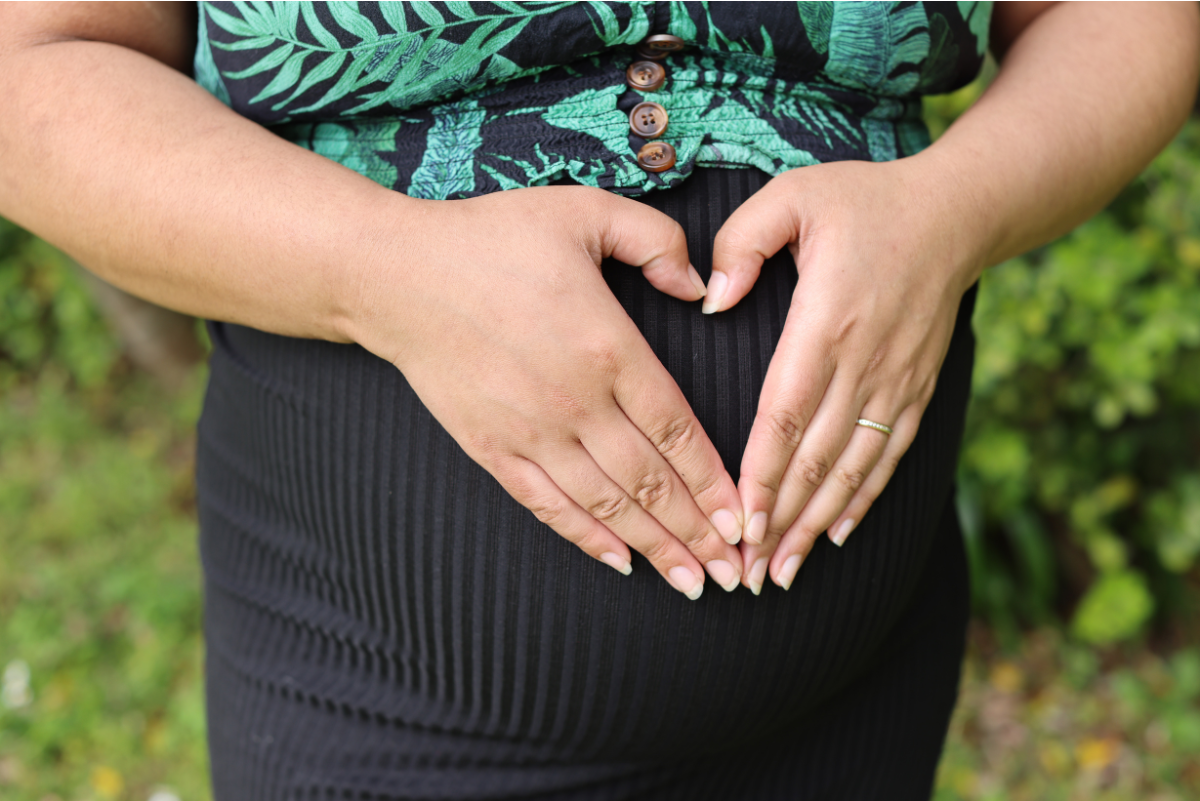
The flu poses dangers for pregnant women and their babies. The flu immunisation is recommended and free during pregnancy. It protects both mother and baby. If you catch the flu while pregnant, you increase your chances of developing pneumonia or needing hospital care. It can also lead to early birth, miscarriage, or low birth weight. Getting the immunisation during pregnancy helps pass protective antibodies to your baby, keeping the baby safe in the first months. If you are pregnant during two flu seasons, get immunisations for both seasons. It remains safe and recommended. You can receive the flu immunisation at any pregnancy stage, even while breastfeeding. Some midwives can administer the immunisation to pregnant women. You can also get the flu immunisation at the same time as the whooping cough (pertussis) immunisation, if it is due.

Children (tamariki) aged 6 months to 12 years
Young children are more likely to catch the flu and spread it to others.
Children under 4, needing their first flu immunisation, need two doses four weeks apart. Children aged 4 and older only need one dose each year. You can give the immunisation along with other vaccines your child needs. Children under 5 who have been in hospital for breathing problems can receive the immunisation for free.
What if my child is unwell? Should they still get their immunisation? If your child has a cold or cough, do not delay the immunisation. If they are very unwell or have a high fever, check with your immuniser first.
Get your family ready for winter
We hope this information helps you understand why the flu immunisation is important. Get your flu immunisation from April to stay protected during the season.
Remember - to prevent germs from spreading, follow these simple tips:
- If you or your children are sick, stay away from others.
- Cover your mouth when coughing or sneezing.
- Wash your hands often.
Share